
The Garden Lab
I am passionate about horticulture education and projects that promote a better understanding of our food system.
Focusing on regional and local food can increase economic, environmental, and social justice while addressing clean water and soil health initiatives that improve community resiliency.
Plant a Seed for Food Security: Be a Catalyst for Food System Change

-
Do you like to eat? Do you want to support pollinator health? Is clean water important to you?
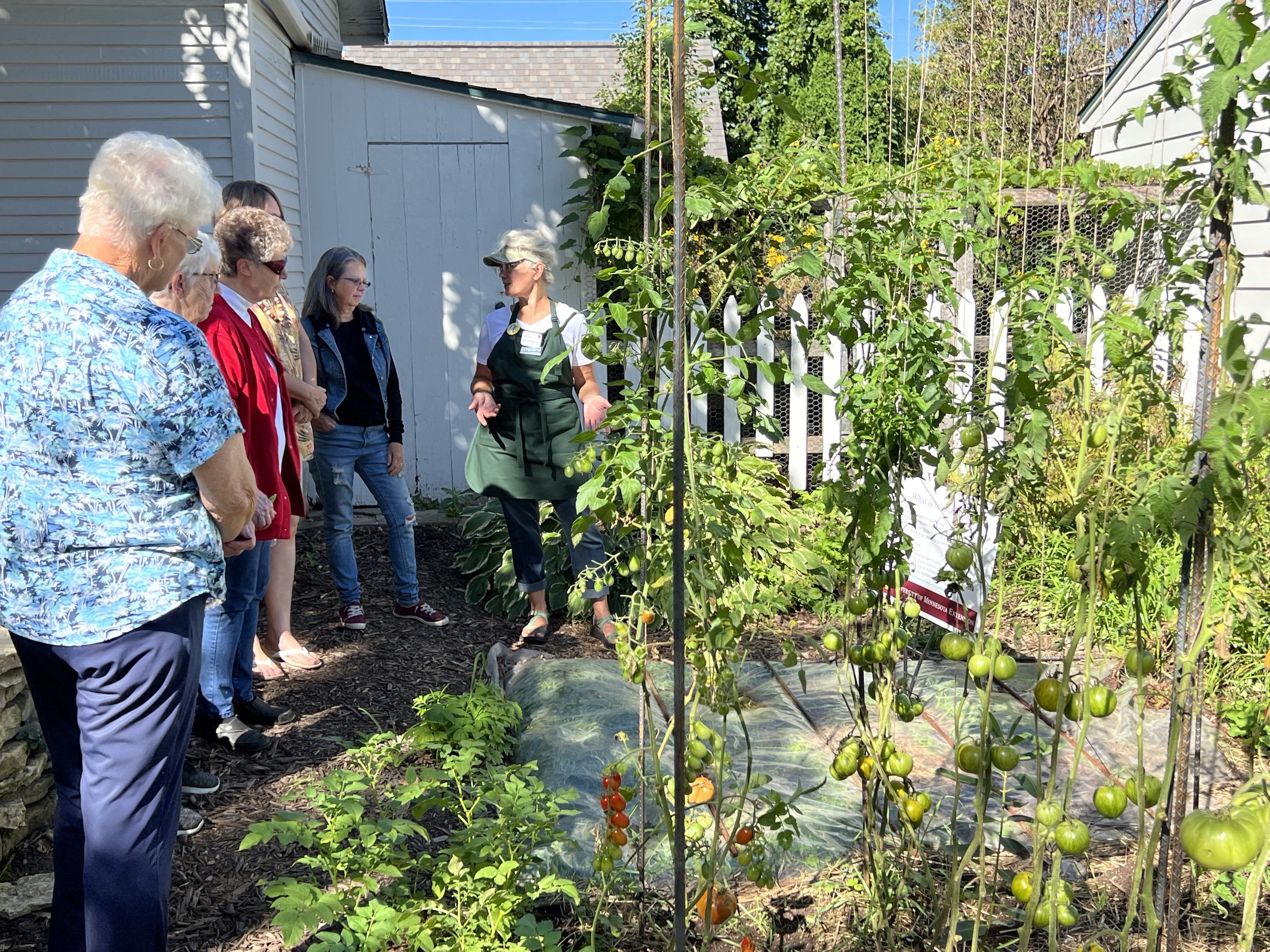
LOCAL FOOD 101 is a 12-session on-site course about growing food. Lectures and demonstrations include planting techniques, season extension, seed saving, integrated pest management, and why soil health, pollinators, clean water, and land access are essential to a healthy food system.
-
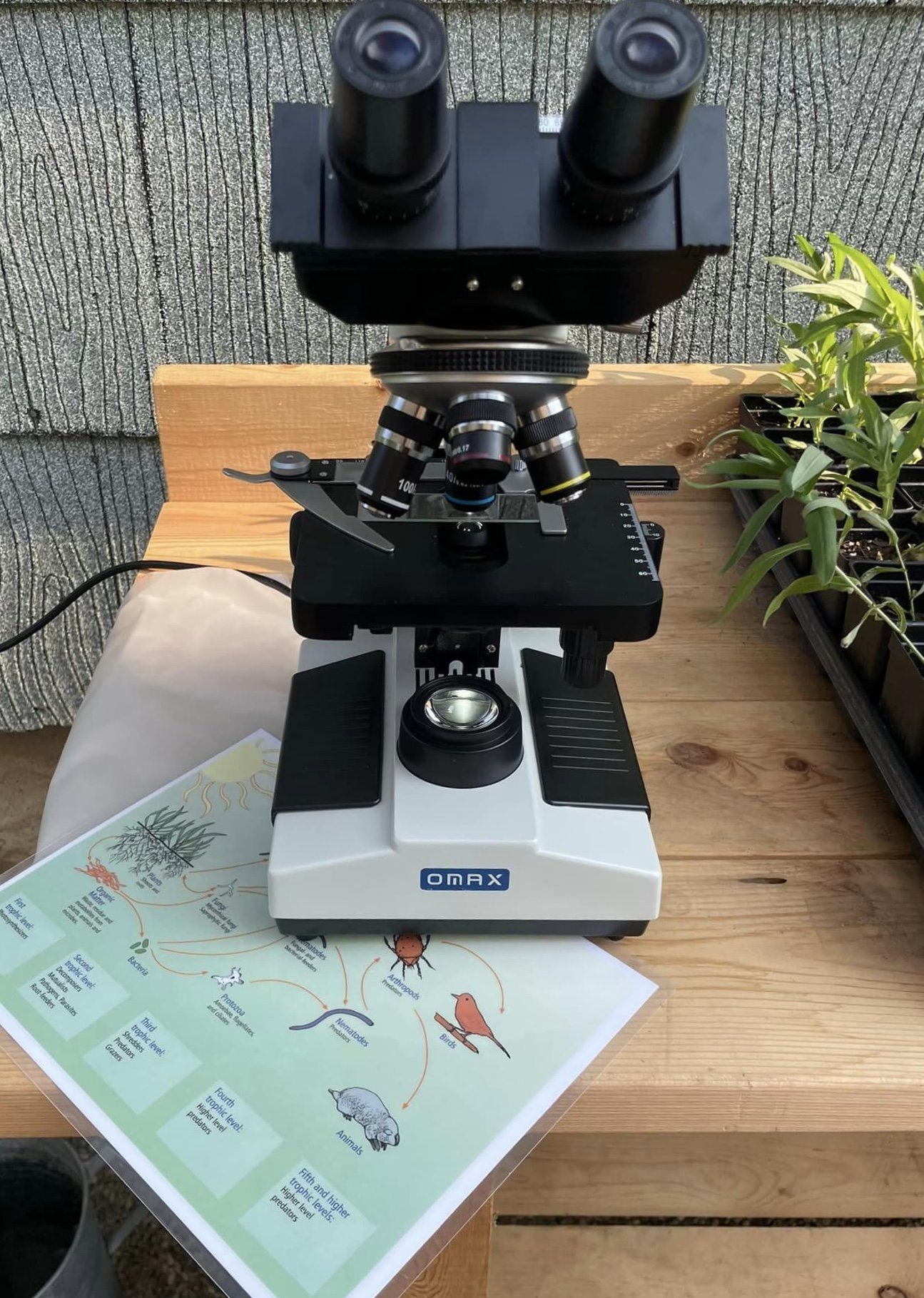
Healthy soils are rich in organic matter and hold more life in a single teaspoon than people on Earth. An entire ecosystem lives below our feet! Biological assessments are a great way to determine how healthy your soil is. Learn how to increase your soil microbiology in a few easy steps.

-
Seed saving is a great way to save money, preserve genetic biodiversity, share in community building, and have fun!
Seed Saving & Harvesting
The Seed Library offers free, open-pollinated seeds and resources for planting, growing, harvesting, and seed saving. These educational videos help get you started on your gardening journey!
The Soil Story.
It all begins with healthy soil. Unfortunately, southeast Minnesota water and soils are highly susceptible to contamination and increased degradation through conventional farming practices. Data also show food and agricultural practices are one of the most profound health indicators - human and environmental.